Detroit beat, how the Rio Da Yung OG x Babyfxce E "Syrup" type beat works
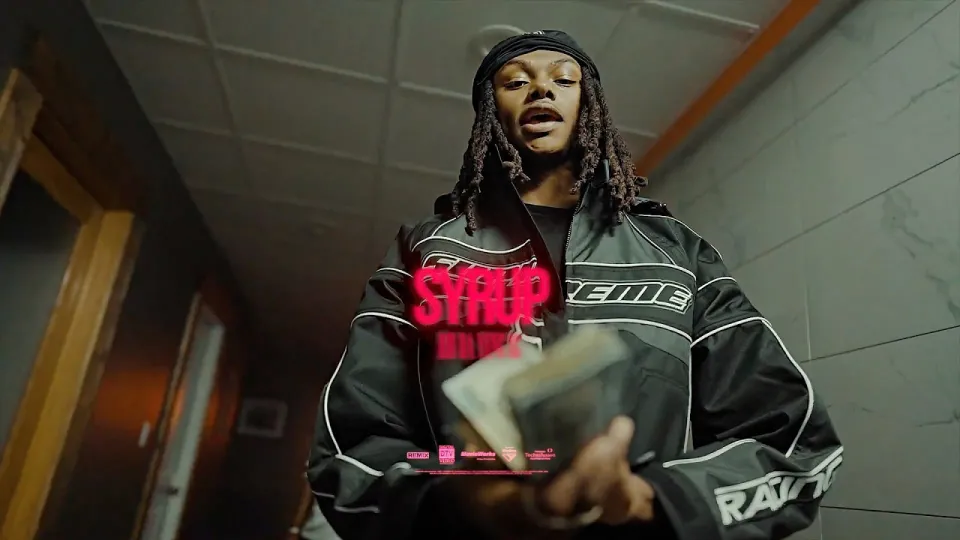
Video: [FREE] Rio Da Yung OG x Babyfxce E Type Beat - “Syrup” | Detroit Type Beat
Need articles like this for your video? They help promote it on YouTube and Google — order them in the Telegram bot @sat_sit_bot. It writes articles around your video, embeds the video and publishes them on popular niche websites (no ads). Try it free: 50 articles on us.
· based on the channel Reuel StopPlaying
Key takeaways
- "Syrup" is a free Detroit type beat built on the Rio Da Yung OG and Babyfxce E template, posted by producer Reuel StopPlaying.
- Free download is allowed for non-profit use only: demos, YouTube or streaming uploads and unpaid shows.
- Any use requires the written credit "Produced by (Producer Name) for SoundFirst Productions".
- Commercial or for-profit use needs a separate non-exclusive or exclusive license; the paid option is at https://bit.ly/2mxSONh.
- The beat's signature is a canned, lo-fi vocal sample loop — listeners in the comments call it the "canned mirk".
A Detroit beat is a sparse, sample-driven instrumental built for blunt, conversational rap, and the "Syrup" type beat by producer Reuel StopPlaying is a working example of the Rio Da Yung OG and Babyfxce E template. It is offered as a free download for non-profit use, with a paid license available through the buy-this-beat page for anyone who wants to release it commercially. The track leans on a pitched, canned-sounding vocal loop rather than heavy drums, which is exactly what the Detroit and Flint scene rewards.
What defines the Detroit beat sound
Detroit beat production is minimal by design: a short melodic or vocal loop, hard but uncluttered drums, and a lot of empty space for the rapper's voice. In the Rio Da Yung OG and Babyfxce E lane, the loop usually sounds degraded on purpose — filtered, pitched up or down, or run through cheap-sounding processing so it reads as a memory of a sample rather than a clean one. The drums stay simple: a kick pattern that leaves room for ad-libs, snares or claps that cut through phone speakers, and hi-hats that mark time without filling every gap.
The "Syrup" beat follows that logic. Its most commented-on element is the vocal chop — listeners describe it as a "canned" sample, and the phrase stuck hard enough that several comments repeat it as a joke. That reaction is the point: in this subgenre the loop is a hook on its own, and a slightly ridiculous or uncanny sample often works better than a polished melody.
Tempo and structure matter less than texture. Detroit type beats usually run in a narrow mid-tempo pocket, sit around two to three minutes in loop form, and drop sections in and out so a rapper can switch between a laid-back verse and a punchier cadence. If you are shopping for Detroit type beats, judge them by whether the loop survives repetition — you will hear it dozens of times in a full song.
Inside the "Syrup" type beat and its free-use terms
The "Syrup" instrumental is distributed as a free type beat, and the terms are specific enough to read before you record. The producer's policy splits usage into two clear buckets:
- Non-profit use is free. That covers free demos and promo CDs, uploads to streaming platforms such as YouTube or Facebook, and live shows that do not generate profit.
- For-profit use is forbidden without a license. If you plan to sell the song, monetize the video, or press physical copies for sale, you need a non-exclusive or exclusive license.
- Credit is mandatory. Every physical or digital distribution must carry the written line "Produced by (Producer Name) for SoundFirst Productions", and the same credit must appear in streaming uploads, for example in a YouTube description. Where written credit is impossible, a recorded vocal credit is required.
- The policy can change. The producer reserves the right to amend the terms, so check them again before a release.
That structure is standard for the free type beat economy, but the credit format is unusually strict — it names both the producer and SoundFirst Productions, so copying a generic "beat by" line will not satisfy it. The paid route is the same link listed in the video description: buy this beat.
How rappers actually use a beat like this
Using a Detroit type beat well is mostly about restraint, because the instrumental already leaves space and the vocal has to fill it without crowding the loop. A practical workflow:
- Map the loop first. Find where the sample chop restarts and treat that as your anchor; punchlines land best right before the loop resets.
- Write to the pocket, not the grid. Detroit and Flint rappers often sit slightly behind or ahead of the beat, so record a scratch take with ad-libs before finalizing wording.
- Keep the low end clean. The drums are sparse, so a muddy vocal or an over-compressed 808 will swallow the kick.
- Leave the hook simple. On a two-to-three-minute loop, a repeated phrase with one variation is enough; the sample is already doing hook duty.
- Log your credit early. Put the required production line in your project notes so it survives the upload.
A recurring theme in listener reactions is that the beat is easy to freestyle on but hard to start — the loop is so distinctive that the first bar feels like it has to answer it. The fix is to write a throwaway opening line, record it, and then replace it once the cadence is locked.
Common questions about free Detroit type beats
The questions that come up around this beat are mostly about permission, credit and whether a free download is really free. On permission: a free type beat is licensed, not public domain, so the non-profit restriction is binding even though no money changes hands. On credit: the exact wording matters, and it must appear wherever the song is distributed or streamed. On sampling: the loop inside the beat is the producer's responsibility, but if you add your own uncleared sample on top, you own that risk. On monetization: ad revenue on a YouTube upload counts as for-profit use, so a free beat upload that gets monetized moves you into license territory.
Mixing and release checks before you upload
Before a Detroit type beat track goes public, run a short checklist: confirm the beat's current terms, confirm the credit line is pasted exactly, confirm the upload is non-monetized if you are on the free license, and confirm the vocal is not masking the sample chop. Loudness matters too — these instrumentals are deliberately rough, so a vocal that is too clean or too bright can sound pasted on; a little saturation and a narrow stereo image on the vocal usually sits better. If the track starts getting traction, treat that as the signal to buy the license rather than to keep pushing a free release.
Useful links
- Buy this beat / license
- Producer on Twitter: https://twitter.com/reuelethan
- Producer on Instagram: http://instagram.com/Reuelethan
Final thoughts on the "Syrup" Detroit beat
The "Syrup" type beat is a compact lesson in what the Detroit sound rewards: one strange, memorable loop, drums that stay out of the way, and a rapper willing to talk rather than perform. Its free-use terms are clear and strict — non-profit only, with a fixed credit line and a paid license for anything commercial. The commentary around the canned sample shows how quickly a texture becomes the identity of a beat, and that is the useful takeaway for anyone producing or writing in this lane. This breakdown comes from the Reuel StopPlaying channel, which published the beat and its usage rules; if you plan to release on it, start with the license page.
Source: [FREE] Rio Da Yung OG x Babyfxce E Type Beat - “Syrup” | Detroit Type Beat · Markdown version
Questions & answers
Can I upload a song on the "Syrup" beat to YouTube or streaming services?
Yes, as long as the use is non-profit. The producer's terms allow free demos and uploads to streaming sites, but ad revenue or any other monetization counts as for-profit use and requires a non-exclusive or exclusive license.
What credit do I have to write when I use this Detroit type beat?
The required line is "Produced by (Producer Name) for SoundFirst Productions", with the actual producer name filled in. It must appear on physical and digital distributions and in streaming uploads, for example in the video description; if written credit is impossible, a recorded vocal credit is required.
Why does the sample in the beat sound canned or degraded?
That is a deliberate production choice common in Detroit and Flint type beats: a filtered, pitched vocal chop reads as raw and memorable, and listeners responded to it strongly in the comments. The texture, not the melody, is what makes the loop stick.
Do I need a license if the beat is free?
A free type beat is still licensed material, not public domain. The free download covers non-profit, promotional and personal use only; selling the song, monetizing it or pressing copies for sale requires a paid license from the producer.